September 23, 2026
Botox, a popular aesthetic procedure, has captured the attention of individuals seeking non-invasive beauty solutions. With its growing presence in the cosmetic world, there's a significant trend towards understanding Botox beyond its surface-level benefits. However, patients often overlook essential considerations, leading to unsatisfactory outcomes. Emphasizing informed decision-making, clients must recognize the complexities of Botox treatments, from selecting the right practitioner to understanding potential risks. This article delves into critical aspects of Botox, providing a comprehensive guide for making well-informed choices in pursuing this cosmetic treatment.
1. Understanding The Procedure
A. What Botox Really Is
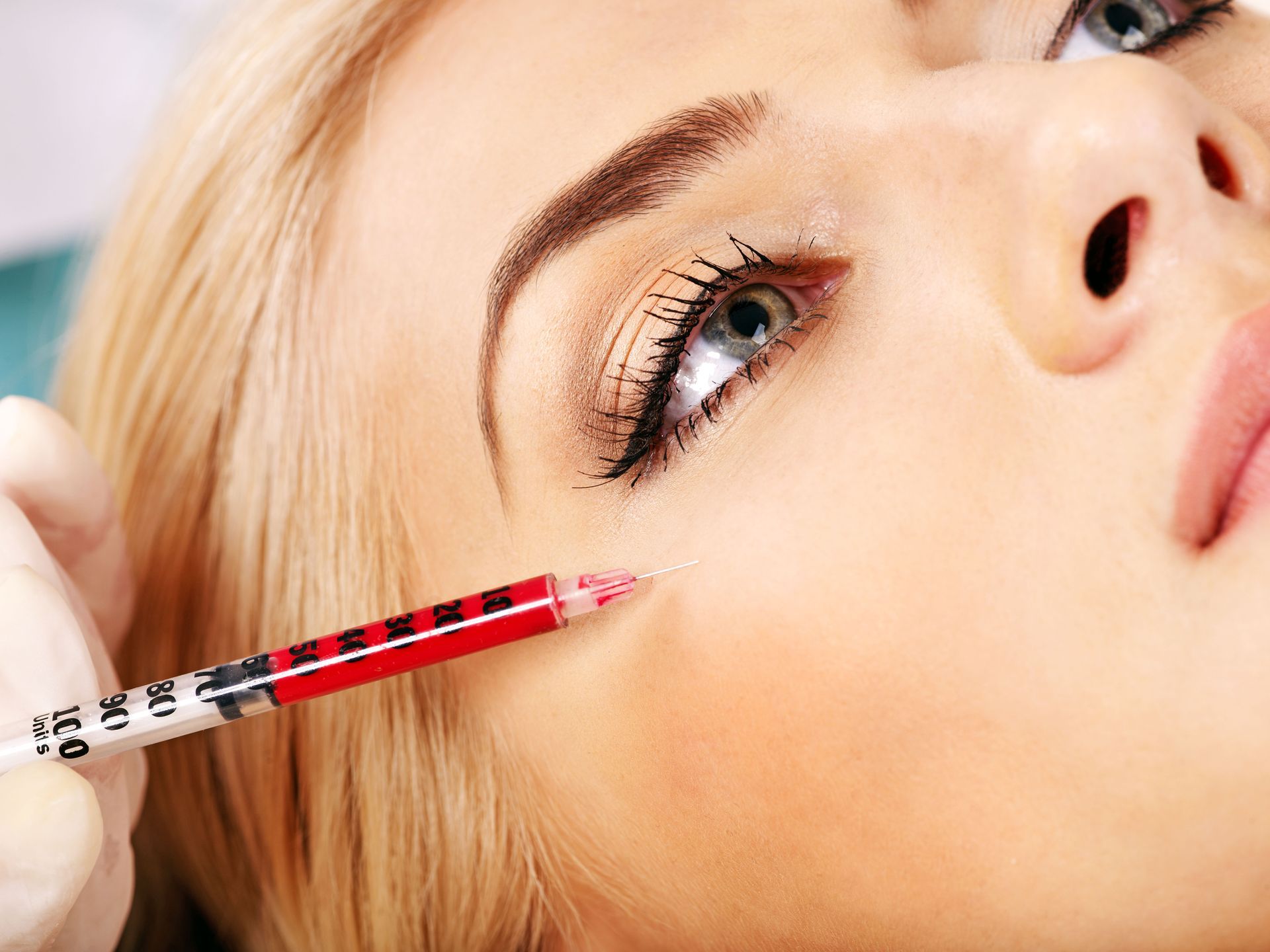
Botox, scientifically known as botulinum toxin, is a neuromodulator that temporarily relaxes muscles to soften the appearance of wrinkles. Initially developed for medical applications, its cosmetic uses have grown exponentially in recent decades. By inhibiting nerve signals to specific muscles, it effectively minimizes the dynamic wrinkles caused by facial expressions. Despite its aesthetic appeal, many clients overlook its origins as a potent toxin and assume it's merely a beauty aid. A clear understanding of its formulation can help clients appreciate the procedure's potential and limitations.
B. Mechanism of Action
Botox works by blocking the transmission of nerve impulses to targeted muscles, preventing them from contracting. This process smooths dynamic lines and wrinkles, often seen around the forehead, eyes, and mouth. While the science behind this neuromodulator is complex, the results are straightforward, typically becoming visible within a few days post-treatment. However, the efficacy of Botox largely depends on precise administration, emphasizing the need for a skilled practitioner. Clients should understand that results are temporary, necessitating repeated treatments for sustained outcomes.
C. Available Variations and Brands
Besides the well-known Botox brand, there are various other neuromodulators available in the market, such as Dysport, Xeomin, and Jeuveau. Each brand has subtle differences in formulation, dosing, and diffusion that might affect results differently in clients. These variations offer a range of options suitable for specific needs and may even provide different levels of affordability. Clients should discuss with their practitioners to determine which product aligns best with their desired outcomes. Knowledge on these alternatives can empower patients to make informed treatment choices.
D. Typical Duration and Results
Clients often expect instantaneous results from Botox, but optimal effects usually manifest within 7 to 14 days post-injection. The longevity of results can vary, typically lasting three to six months depending on individual factors like metabolism and treatment area. Factors such as lifestyle, skin type, and muscle activity influence the frequency of repeated treatments. Understanding these temporal dynamics helps clients develop realistic expectations and prevents premature dissatisfaction. Discussing a maintenance plan with a practitioner can optimize long-term satisfaction.
E. Eligibility and Suitability for Treatment
Not everyone is an ideal candidate for Botox, highlighting the importance of assessing eligibility before proceeding. Factors like age, skin condition, muscle strength, and medical history play critical roles in determining suitability. Certain conditions, such as neuromuscular disorders, may contraindicate its use, requiring a thorough medical consultation. Pregnant or breastfeeding individuals are generally advised to postpone Botox treatments. Potential clients must discuss these considerations with their healthcare provider to ensure the procedure's safety and efficacy.
2. Importance of Choosing A Qualified Practitioner
A. Credentials to Look For
Safety and effectiveness of Botox largely depend on the expertise of the administering practitioner. Ensuring that the practitioner holds relevant medical licenses and certifications is a crucial preliminary step for prospective clients. Typically, board-certified dermatologists, plastic surgeons, and qualified medical professionals are preferred. Their understanding of facial anatomy and technical training can significantly impact the procedure's outcomes. Verifying credentials assures expertise and minimizes the risk of complications during and after the treatment.
B. Experience and Specialization
Experience in administering Botox significantly influences the precision and success of the results. Accumulating experience over the years hones a practitioner's ability to customize treatments based on individual aesthetic goals. Specialization in cosmetic dermatology or facial aesthetics signifies a deeper understanding of nuanced techniques required for optimal results. A practitioner's portfolio showcasing their breadth of experience may help in finalizing a choice. Remember, the practitioner's expertise is a crucial determinant of a successful Botox journey.
C. Consultation Process
A comprehensive consultation is an essential precursor to receiving Botox. It's an opportunity for clients to communicate their expectations and get insights into the procedure's scope. The consultation allows practitioners to evaluate one's medical history, current medications, and suitability for Botox. Potential clients should not hesitate to ask questions regarding any concerns they may have. Transparent communication during this process builds trust and sets a foundation for a satisfactory treatment experience.
D. Importance of Before-and-After Portfolios
Before-and-after portfolios provide tangible evidence of a practitioner's proficiency in delivering Botox treatments. These portfolios help prospective clients assess the practitioner's artistic ability and precision in achieving desired outcomes. Reviewing past cases enables clients to set realistic expectations for their results. Including diverse examples, particularly those of clients with similar concerns, enhances confidence in the practitioner's capabilities. Exploring these visuals can be a decisive factor in selecting the right professional.
E. Verifying Medical Practice Licenses
Ensuring that the medical practice itself is properly licensed is as crucial as verifying individual practitioner credentials. This is a key step that potential clients might overlook in the selection process. Licensed establishments adhere to regulated standards for safety and hygiene, including the proper handling and administration of Botox. Clients can request verification of licenses and certifications directly from the practice or consult professional bodies for assurance. Taking these precautions minimizes the likelihood of malpractice and unauthorized procedures.
3. Setting Realistic Expectations
A. Understanding Results Timeline
While many anticipate instant changes post-treatment, Botox requires time to take full effect, typically within one to two weeks. Initial expectations should account for this gradual onset of visible improvements. It's important for clients to resist the urge for additional treatments shortly after injections, which may lead to unnecessary complications. Discussing timelines with a practitioner helps align expectations with reality. Being informed about expected milestones ensures satisfaction without premature anxiety.
B. Variability of Results with Different Clients
Results from Botox are not universally identical; individual differences cause varied outcomes. Skin type, muscle activity, and lifestyle factors contribute to this variability. Moreover, genetic factors and adherence to aftercare also play a significant role in the longevity of results. Clients must remember that their unique physiological makeup impacts the degree and duration of results. Contextualizing outcomes within personal parameters helps maintain realistic expectations and satisfaction.
C. Limitations of Botox in Cosmetic Procedures
Botox is remarkably effective for dynamic wrinkles but has its limitations in addressing significant skin laxity or volume loss. Clients might expect complete facial rejuvenation, underestimating Botox's scope. In such cases, complementary treatments like dermal fillers or peels could offer more holistic results. Understanding Botox's limitations allows clients to approach their aesthetic goals with a realistic mindset. Consulting with a practitioner about comprehensive treatment plans ensures an effective strategy toward desired outcomes.
D. Possible Need for Complementary Treatments
Combining Botox with other cosmetic treatments can often enhance overall aesthetic results. Treatments like dermal fillers, chemical peels, or laser resurfacing address concerns beyond Botox's capabilities. Discussing these possibilities with a practitioner can provide a comprehensive approach to facial rejuvenation. A personalized treatment plan might include multiple modalities to achieve harmonious results. This proactive strategy tailors treatments to unique aesthetic objectives.
E. Duration of Effects and Frequency of Maintenance
Understanding the temporal aspect of Botox results is crucial for effective maintenance planning. While typical results last between three and six months, regular touch-ups are necessary to sustain effects. Clients should anticipate this cycle to prevent lapses in their desired appearance. Discussing a long-term maintenance strategy with a practitioner ensures continuity in aesthetics. Planning for future treatments reinforces the investment in achieving and maintaining cosmetic goals.
Choosing to undergo Botox requires comprehensive understanding and preparedness beyond aesthetic desires. Careful consideration of procedural intricacies, expert selection, realistic expectations, and strategic financial planning contributes to the process's success. Recognizing medical and lifestyle implications further refines client readiness. Reputable sources highlight that informed decisions in non-invasive aesthetics, valued at over $24.2 billion globally by 2025 according to Grandview, enhance both patient safety and satisfaction. Ultimately, prioritizing safety and informed choices guides clients towards fulfilling their aesthetic missions with Botox. Reach out to Ledo Aesthetics today to see how we can help you!